




MỤC LỤC NỘI DUNG
- 1 Periodontist: What They Do, When You Need One
- 1.1 What Is a Periodontist?
- 1.2
- 1.3 Periodontist vs General Dentist: What’s the Difference?
- 1.4 When Should You See a Periodontist?
- 1.5 What Conditions Does a Periodontist Treat?
- 1.6 Common Periodontal Treatments Performed by a Periodontist
- 1.7 Can a Periodontist Place Dental Implants?
- 1.8 How Can You Prevent Periodontal Disease?
- 1.9 Why Choose Vinh An Premier for Periodontal Care?
- 1.10 Final Thoughts
Periodontist: What They Do, When You Need One
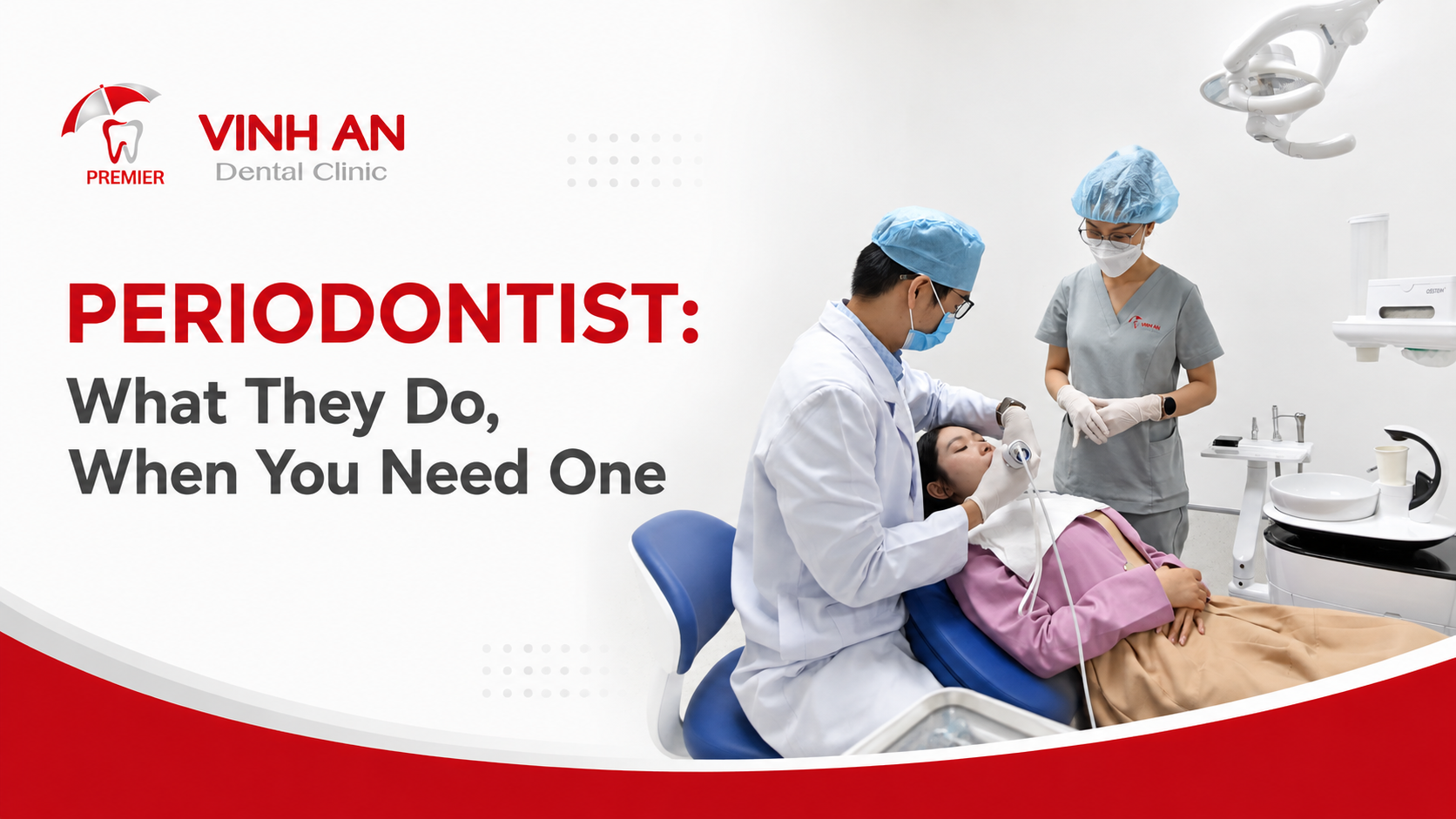
When people think about oral health, they often focus on teeth, but healthy teeth depend on healthy gums and bone. If these tissues are damaged, even strong teeth can become unstable. This is where a periodontist is essential. A periodontist is a dental specialist who diagnoses and treats diseases of the gums, periodontal ligament, and jawbone.
They also perform advanced procedures such as bone grafting, gum grafting, and dental implant surgery. Whether you have bleeding gums, loose teeth, or need dental implants, a periodontist helps maintain strong, healthy supporting structures for long-term oral stability.
What Is a Periodontist?
A periodontist is a dentist who specializes in the prevention, diagnosis and treatment of periodontal (gum) diseases and conditions affecting the structures that support your teeth.
The word periodontics comes from the Greek words:
- Peri = around
- Odont = tooth
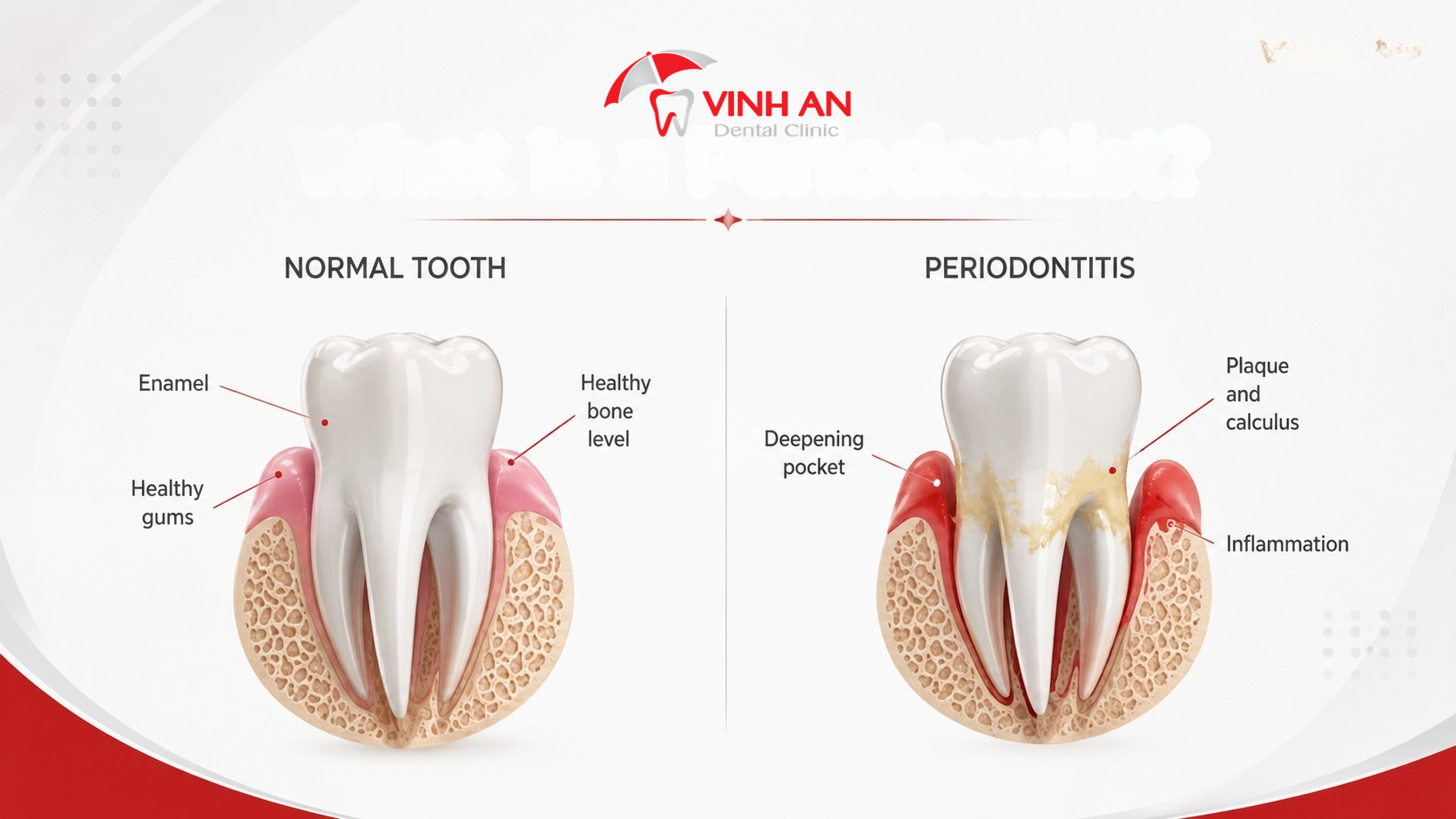
In other words, periodontics focuses on the structures surrounding the teeth rather than the teeth themselves. A healthy periodontium includes the gingiva (gums), periodontal ligament, cementum covering the tooth root, and the alveolar bone that supports the teeth. When any of these tissues become damaged, infected, or left untreated, the stability of the teeth can gradually weaken over time.
Periodontist vs General Dentist: What’s the Difference?
Many patients wonder whether they should visit their family dentist or a periodontist. Although both professionals care for oral health, their roles are different.
General Dentist
A general dentist focuses on routine oral care, including dental examinations, professional cleanings, fillings, crowns, bridges, root canal treatment, and preventive care. They manage most everyday dental conditions and play an important role in helping patients maintain overall oral health through regular check-ups and basic restorative treatments.
Periodontist
A periodontist receives additional specialized training in diseases affecting the gums and supporting tissues. Their expertise includes:
- Gum disease treatment
- Deep periodontal cleaning
- Gum recession treatment
- Bone regeneration
- Soft tissue surgery
- Dental implant placement
- Management of advanced periodontal disease
In many situations, general dentists and periodontists work together to provide comprehensive care.
When Should You See a Periodontist?
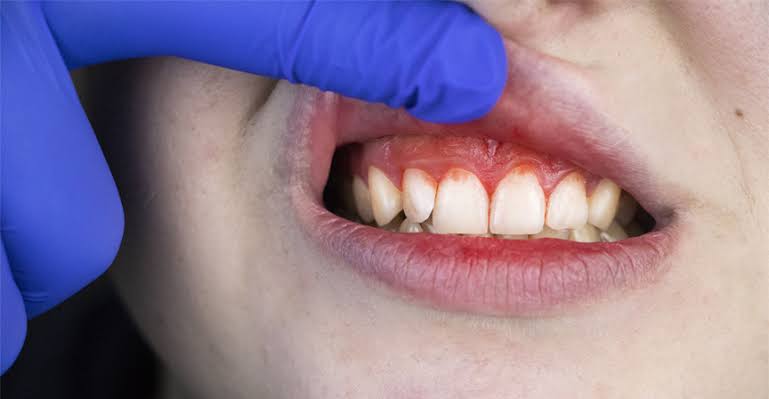
Many people assume they only need a periodontist after losing teeth. In reality, early consultation often helps preserve natural teeth and prevent extensive treatment later. You should consider seeing a periodontist if you experience:
- Bleeding gums while brushing
- Persistent bad breath
- Gum swelling
- Gum recession
- Loose teeth
- Sensitive exposed tooth roots
- Deep pockets around teeth
- Bone loss visible on X-rays
- Family history of periodontal disease
Patients preparing for dental implant treatment are also commonly referred to a periodontist to evaluate bone quality and gum health before surgery.
What Conditions Does a Periodontist Treat?
A periodontist treats diseases affecting the tissues supporting your teeth rather than the teeth alone. Common conditions include:
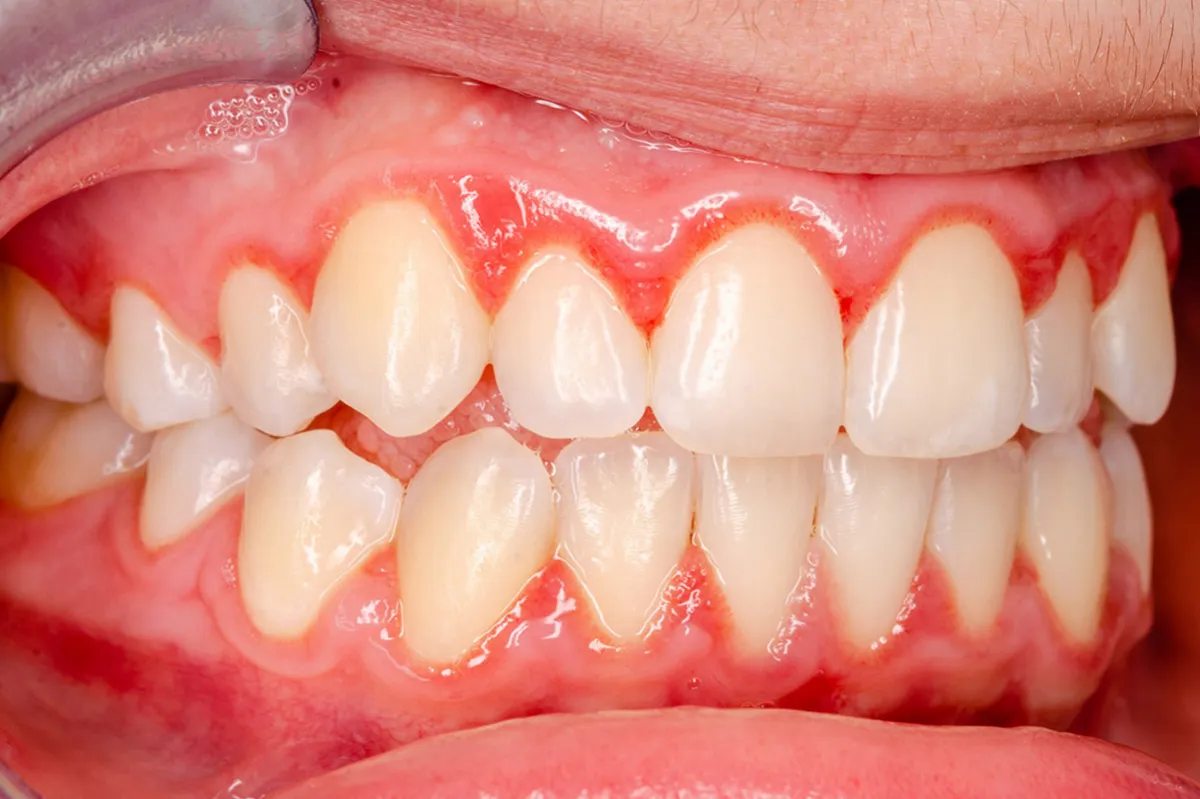
Gingivitis
Gingivitis is the earliest stage of gum disease and is typically characterized by several noticeable symptoms, including red and swollen gums, bleeding while brushing, and mild discomfort. At this stage, treatment is generally straightforward, and the condition is often reversible with professional dental cleaning combined with improved daily oral hygiene practices.
Periodontitis
If gingivitis progresses untreated, it may develop into periodontitis. This condition involves bacterial infection beneath the gum line that gradually destroys the bone and connective tissues supporting your teeth. Signs may include:
- Deep periodontal pockets
- Gum recession
- Tooth mobility
- Bone loss
- Chronic inflammation
- Tooth loss in advanced stages
Because bone does not naturally regenerate once destroyed, early diagnosis is essential.
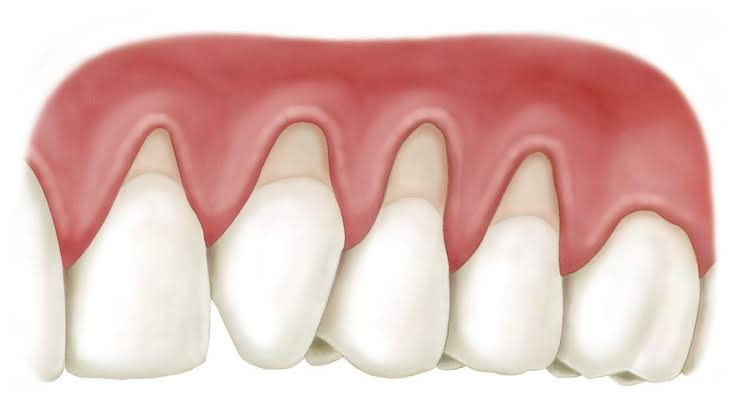
Gum Recession
Gum recession occurs when gum tissue pulls away from the teeth, exposing the roots. Patients often notice:
- Longer-looking teeth
- Tooth sensitivity
- Difficulty cleaning exposed roots
- Increased risk of root decay
Depending on severity, treatment may involve gum grafting or other periodontal procedures to restore healthy tissue coverage.
Bone Loss Around Teeth
Periodontal disease is one of the leading causes of jawbone deterioration. A periodontist evaluates the extent of bone loss using clinical examination and CBCT imaging before recommending appropriate regenerative treatment when possible. Bone regeneration procedures may be necessary before placing dental implants or preserving natural teeth.
Common Periodontal Treatments Performed by a Periodontist
A periodontist offers a wide range of treatments designed to preserve natural teeth, restore healthy gum tissue, and regenerate lost bone. Depending on the severity of your condition, your treatment plan may include one or more of the following procedures.
Periodontal Maintenance
Periodontal maintenance is a specialized type of professional dental cleaning recommended for patients who have previously been treated for gum disease. Unlike a routine dental cleaning, periodontal maintenance includes:
- Assessment of gum health.
- Measurement of periodontal pocket depth.
- Removal of plaque and calculus below the gum line.
- Monitoring for signs of recurrent periodontal disease.
Patients with a history of periodontitis are often advised to undergo periodontal maintenance every three to four months, depending on their individual risk factors. Regular maintenance helps prevent disease recurrence and supports long-term tooth preservation.
Scaling and Root Planing (Deep Cleaning)
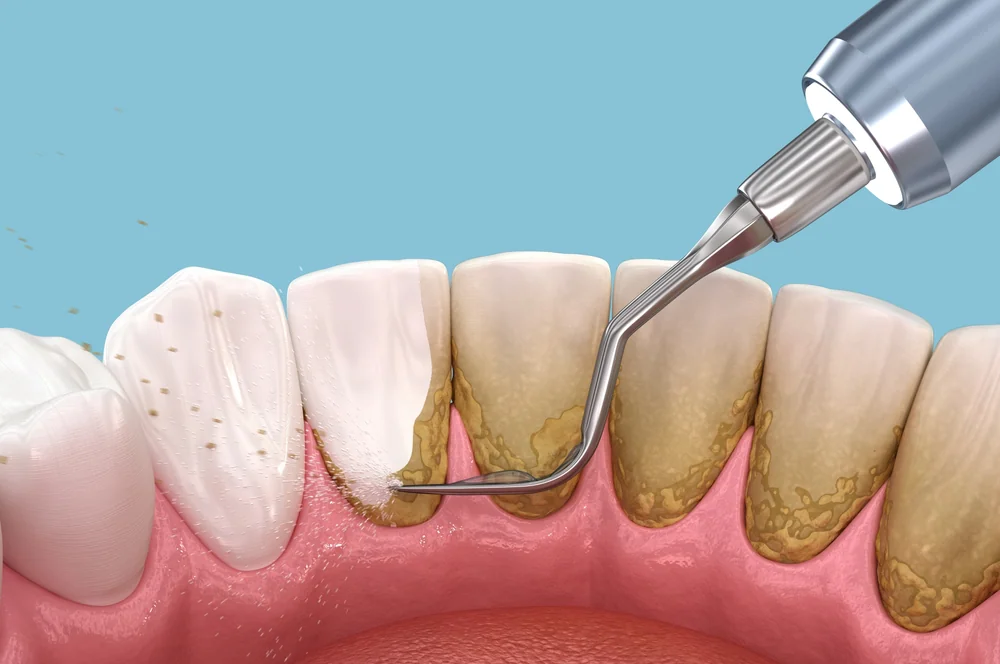
Scaling and root planing (SRP), often referred to as a deep dental cleaning, is one of the most common non-surgical periodontal treatments. During the procedure, the periodontist removes plaque, tartar, and bacterial deposits from below the gum line while smoothing the root surfaces to reduce bacterial reattachment.
Scaling and root planing is typically recommended for patients with:
- Early to moderate periodontal disease.
- Deep periodontal pockets.
- Persistent gum inflammation.
- Bleeding gums.
Because the treatment extends beneath the gum tissue, local anesthesia is commonly used to ensure patient comfort.
Periodontal Surgery
When periodontal disease has progressed beyond the point where non-surgical treatment can effectively control the infection, surgical intervention may be necessary. Modern periodontal surgery aims to preserve natural teeth whenever possible while restoring healthy supporting tissues.
Gum Flap Surgery (Pocket Reduction Surgery)
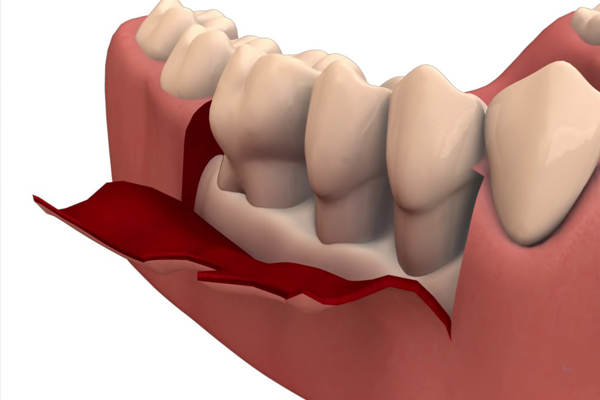
As periodontal disease progresses, bacteria can accumulate deep beneath the gums where conventional cleaning is no longer effective. During flap surgery, the periodontist gently lifts the gum tissue to gain direct access to infected root surfaces and bone. After thoroughly removing bacteria and diseased tissue, the gums are repositioned and sutured.
The goals of this procedure include:
- Reducing periodontal pocket depth.
- Eliminating bacterial infection.
- Slowing further bone destruction.
- Making long-term oral hygiene easier.
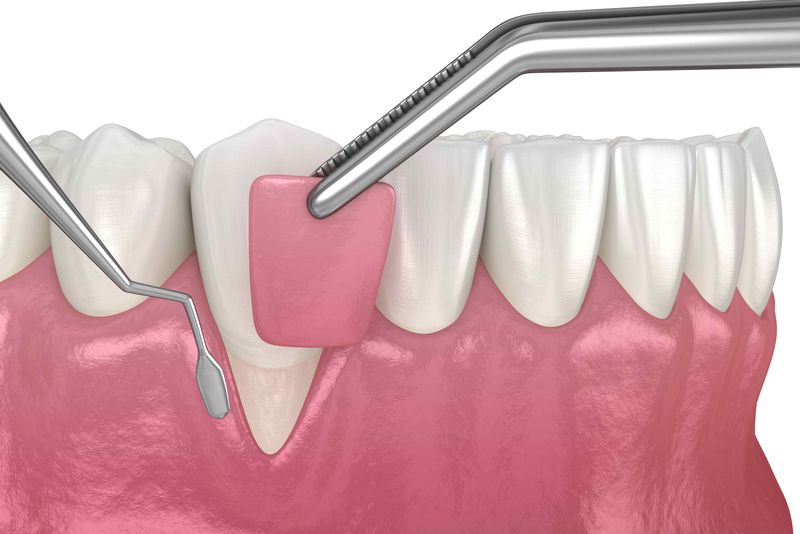
Gum Grafting
Gum recession exposes tooth roots, increasing the risk of sensitivity, root decay, and aesthetic concerns. A gum graft restores lost soft tissue by placing healthy graft material over exposed roots. Benefits include:
- Reduced tooth sensitivity.
- Improved smile aesthetics.
- Protection against root decay.
- Greater long-term periodontal stability.
Depending on the clinical situation, graft tissue may come from the patient’s palate or from approved tissue banks.
Bone Grafting
Advanced periodontal disease may destroy the jawbone supporting the teeth. Bone grafting is performed to encourage new bone formation and restore the foundation needed for healthy teeth or future dental implants. Bone graft materials may include:
- Autogenous bone (patient’s own bone).
- Allograft (human donor bone).
- Xenograft (animal-derived material).
- Synthetic bone substitutes.
Bone regeneration is particularly important before implant placement in areas with insufficient bone volume.
Crown Lengthening
Sometimes a tooth fractures below the gum line or does not have enough visible tooth structure for a restoration. Crown lengthening reshapes the surrounding gum and, when necessary, removes a small amount of bone to expose additional tooth structure. This procedure allows dentists to place crowns with better long-term stability while maintaining healthy periodontal tissues.
Smile Lift (Gummy Smile Correction)
Some individuals display excessive gum tissue when smiling, commonly referred to as a “gummy smile.” A smile lift reshapes the gum line to create better balance between the teeth and gums, resulting in a more harmonious smile. In some cases, this procedure may be combined with porcelain veneers or other cosmetic treatments.
Frenectomy
A frenum is a small fold of connective tissue inside the mouth. If it is too short or tight, it may contribute to:
- Tongue-tie.
- Gum recession.
- Difficulty with speech.
- Orthodontic complications.
A frenectomy releases the restrictive tissue, improving oral function and supporting healthy gum development.
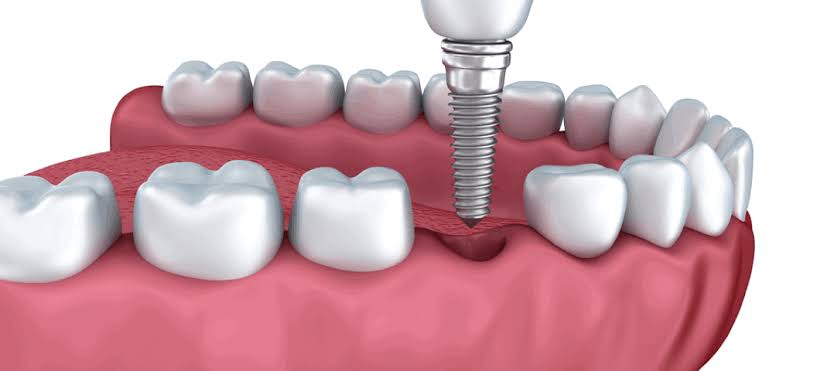
Can a Periodontist Place Dental Implants?
Yes. Many periodontists are highly trained in dental implant surgery because successful implants depend heavily on healthy gums and sufficient jawbone. Before implant placement, a periodontist carefully evaluates:
- Bone quality.
- Bone volume.
- Gum thickness.
- Bite relationship.
- Overall periodontal health.
When necessary, procedures such as bone grafting or soft tissue grafting may be completed before implant surgery to improve long-term success.
How Can You Prevent Periodontal Disease?
While periodontal disease is common, many cases can be prevented with consistent oral care and regular professional examinations. Healthy habits include:
- Brushing twice daily using fluoride toothpaste.
- Cleaning between teeth with floss or interdental brushes.
- Professional dental cleanings every six months—or more frequently if recommended.
- Avoiding tobacco products.
- Managing diabetes and other systemic health conditions.
- Eating a balanced diet.
- Seeking early treatment for bleeding gums or persistent bad breath.
Early intervention remains the most effective strategy for preserving natural teeth.
Why Choose Vinh An Premier for Periodontal Care?
At Vinh An Premier Dental Clinic, periodontal care focuses on preserving natural teeth through accurate diagnosis, minimally invasive treatment, and long-term maintenance. Patients benefit from advanced digital technologies, including:
- CBCT Cone Beam 3D imaging.
- HD intraoral camera.
- Digital periodontal assessment.
- Ultrasonic periodontal instrumentation.
- Modern soft tissue laser applications.
Every treatment plan is tailored to the patient’s individual condition, with the goal of eliminating infection, protecting supporting bone, and maintaining healthy gums for years to come. Whether you require deep cleaning, gum surgery, bone regeneration, or implant preparation, our multidisciplinary team works together to provide comprehensive periodontal care using evidence-based treatment protocols.

Final Thoughts
Healthy gums are essential for a healthy smile. Ignoring signs like bleeding gums, bad breath, or gum recession can lead to serious periodontal disease, bone loss, and even tooth loss. A periodontist helps diagnose, treat, and prevent these conditions, supporting long-term tooth preservation. If you notice early symptoms or are referred by your dentist, seeing a periodontist early can greatly improve your oral health.
——————————————
VINH AN PREMIER DENTAL
Wellness begins with a healthy smile.
📞Hotline: 0988 637 987
📍Địa chỉ: Vinh An Premier Dental – 224 Nguyễn Lương Bằng, Phường Tân Mỹ, TP.HCM
Website: www.nhakhoavinhan.com